
Project Background Team Research Advanced Training Capacity Building News Gallery PT
Background
A project that responds to national challenges and launches itself to the world as an example of sustainable development
Biodiversity loss and ecosystem fragmentation associated with climate vulnerability and anthropogenic pressure are among Mozambique's greatest challenges. One of the measures that has been implemented to mitigate this scenario is the implementation of agroforestry systems based on coffee production with native trees.
The Tricafé Project is being implemented in two important conservation areas, Gorongosa National Park (since 2017) and Chimanimani National Park (since 2020). These regions constitute an immeasurable repository of biodiversity and species endemism, being part of the Key Biodiversity Areas, with global ecological relevance.
The Gorongosa Café project continues an institutional partnership in coffee research established more than 10 years ago between Portugal and Brazil, based on the mutual goal of both countries to support sustainable development in Mozambique.
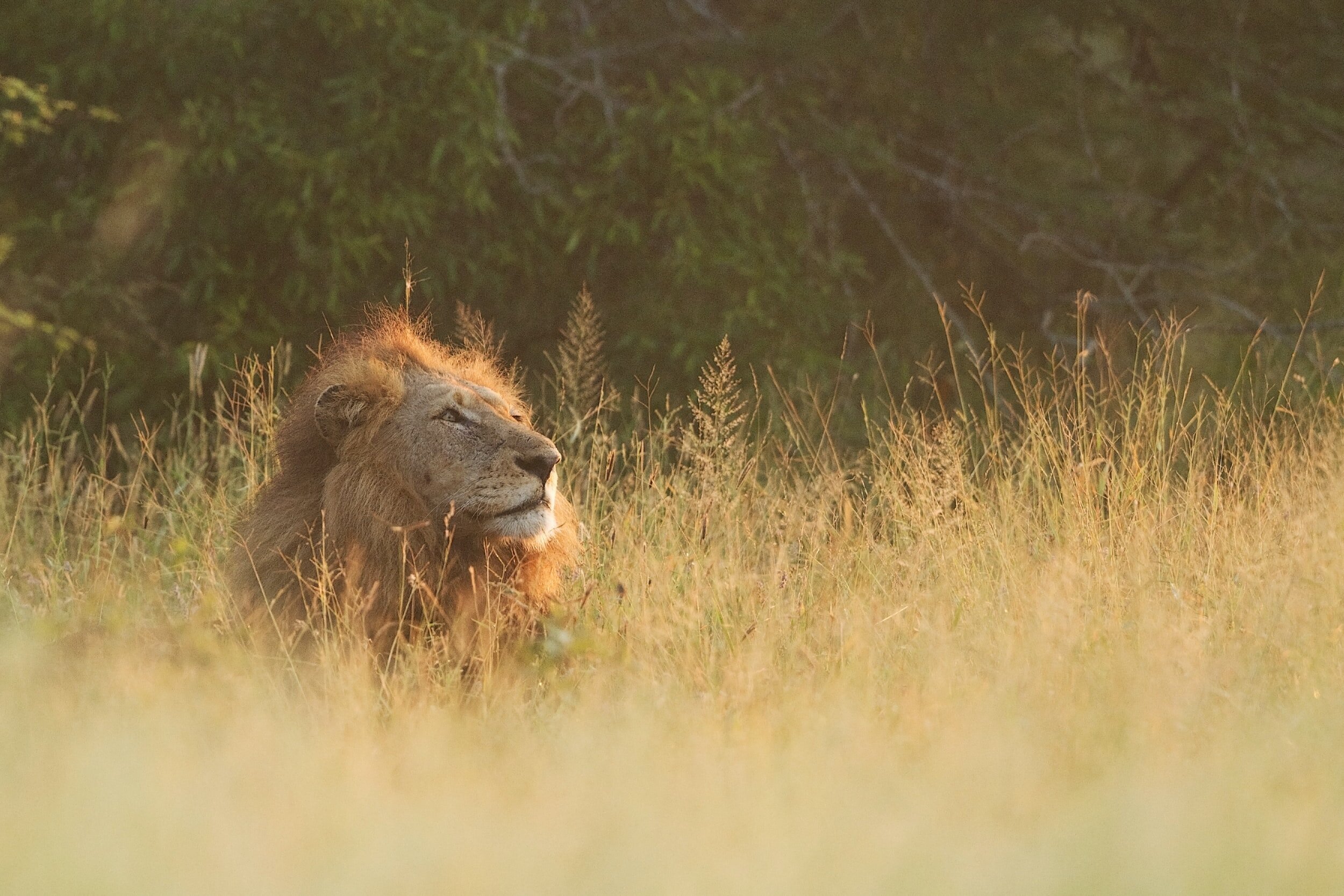
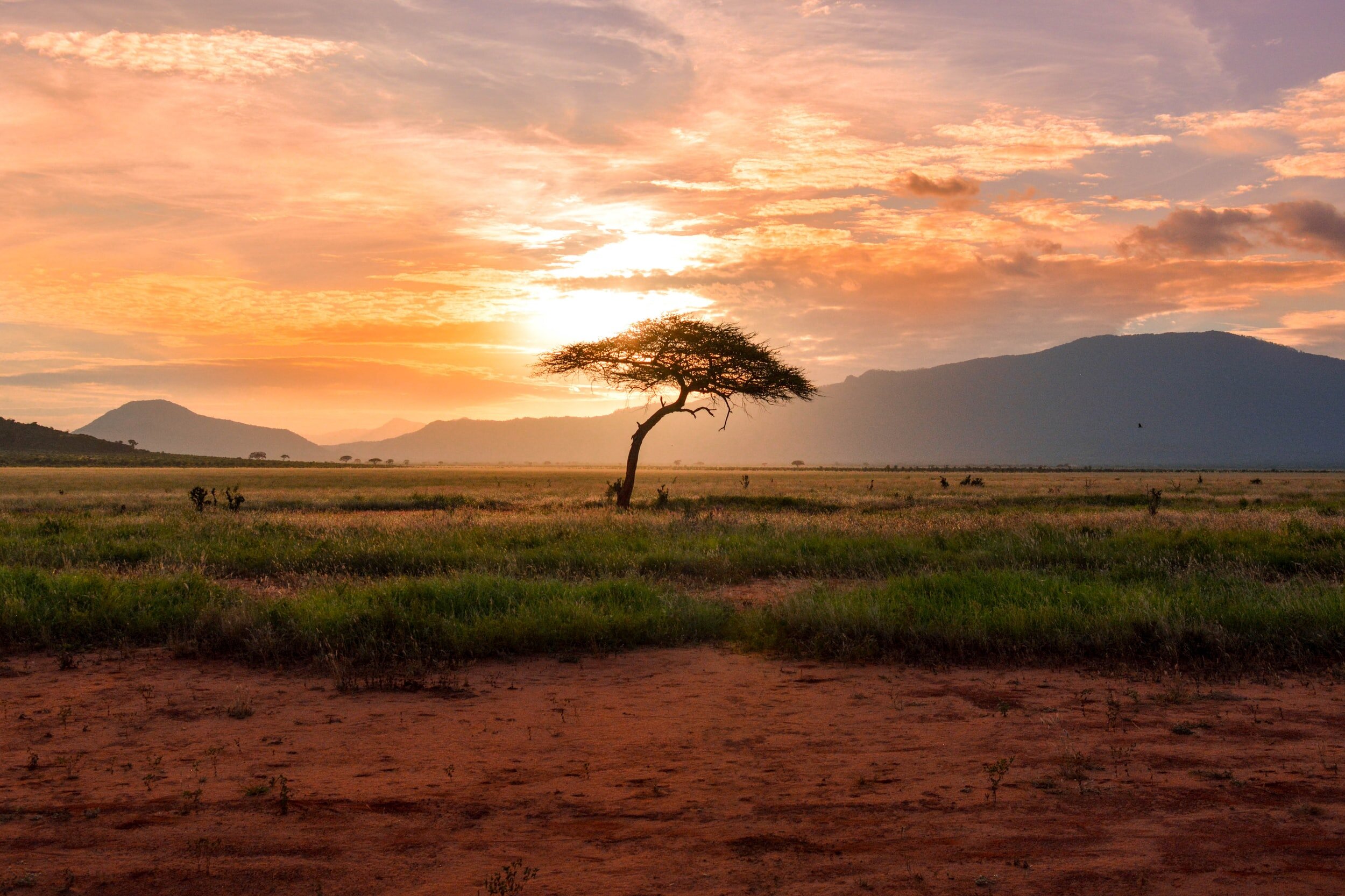
The Gorongosa and Chimanimani National Parks are examples of environmental conservation and biodiversity in Mozambique.
Chimanimani National Park
Chimanimani National Park, part of the Transfrontier Conservation Area with Zimbabwe, faces several threats to its conservation, such as deforestation due to agricultural and housing expansion, illegal artisanal mining, uncontrolled burning, and conflicts between humans and wildlife.
Given this context, and taking into account its biophysical, historical, and cultural environment, the park's main objectives are to preserve the unique ecosystem of the East African Afro-montane ecoregion, characterized by high diversity, endemism, and rarity of species, as well as great scenic beauty; to protect the springs and river basins of the provinces of Manica and Sofala; to safeguard the historical and cultural heritage and spiritual values of the region; to contribute to the development of sustainable tourism based on natural and cultural resources; to improve the living conditions of local communities through sustainable resource management and diversification of income sources; to promote integrated and participatory landscape management with the involvement of various actors; and foster scientific research and ecological monitoring in order to support conservation based on scientific data and evidence.
Gorongosa National Park
Gorongosa National Park faces several conservation threats, despite its remarkable progress in environmental recovery. The park's mission focuses on protecting biodiversity and promoting sustainable development in local communities.
The CAPS (Coffee Agroforestry under Shade) project promotes a sustainable coffee production system on 500 hectares, with social, economic, and environmental benefits. The initiative is based on the integration of sustainable use of natural resources, biodiversity preservation, and community development in a region with a high rate of deforestation.
The experimental phase (5 years) demonstrated political and social resilience, strong community involvement, and commercial viability for Arabica coffee (Coffea arabica).
Given the threat of climate change, heat-tolerant genotypes of Coffea canephora (Robusta) are being tested with the aim of identifying varieties suited to Mozambique's climatic conditions.
Source: National Administration of Protected Areas (ANAC)
Partners
The ISA/ULisboa and UFES teams have a long tradition of collaboration in coffee production systems, analyzing coffee tree behavior in the context of constant climate change, and improving it, supported by a strong technical and scientific research component, which includes human resources training. The accumulated experience of the two teams provides a solid platform that will give another dimension to the implementation of CAPS in PNG.
In addition, Portuguese cooperation, through Camões, I.P., is included in the list of partners and donors of Gorongosa and Chimanimani National Parks. It therefore has in-depth knowledge of their activities, with a view to community education, biodiversity conservation, and the promotion of food, nutritional, and environmental security.
It should also be noted that the preparatory work for the implementation of the project has been closely monitored by the Portuguese cooperation advisor in Mozambique and the technician responsible for the project.
The project “Sustainable Coffee Production in Gorongosa National Park using an Integrated Agroforestry System in the Context of Deforestation, Climate Change, and Food Security - Gorongosa Coffee” thus complements the work begun under CAPS.
