Project Background Team Research Advanced Training Capacity Building News Gallery PT
Capacity Building
Training technicians and farmers in coffee cultivation, harvesting, and post-harvest practices
20
Technicians
500
Coffee producers
180
Women
Capacity Building of technicians

Good practices for fertilizing and pruning coffee trees
Theoretical and practical recommendations were made regarding field management and handling, how to fertilize (soil analysis, type of fertilizer, use of limestone, location of use, quantity, and distribution) and prune coffee trees to allow growth with one or two main branches.
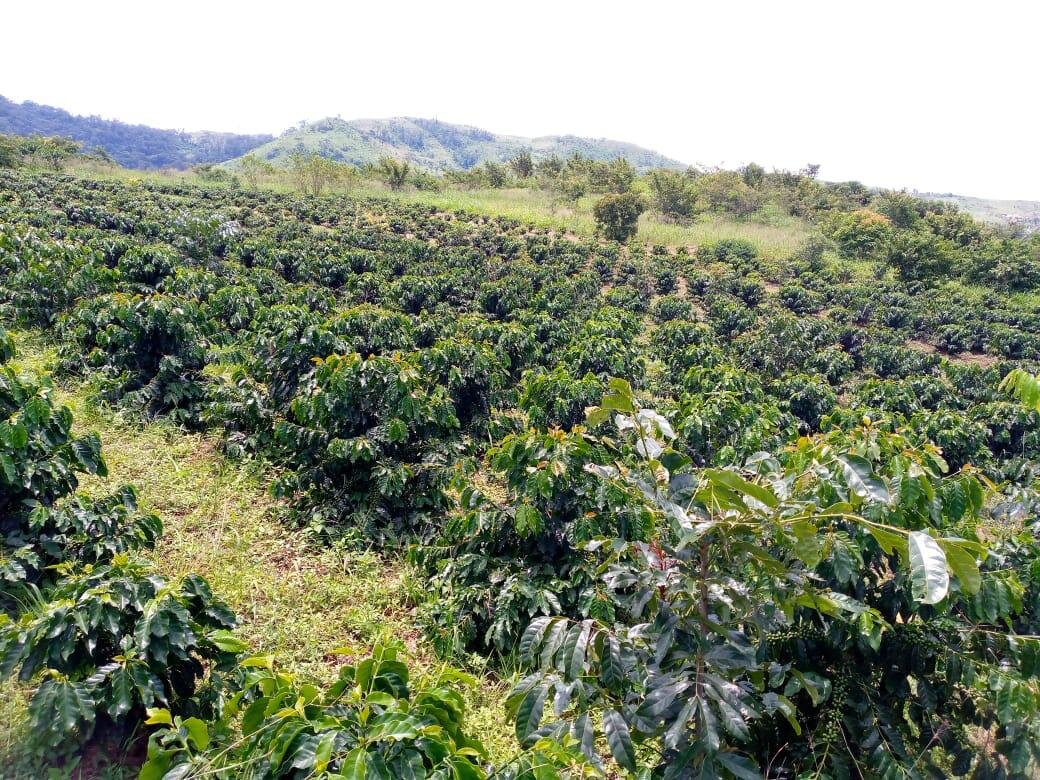
Tests for adapting new coffee varieties
Nine Arabica coffee cultivars have been planted and are being evaluated, two of which already exist in the PNG and seven of which are newly introduced. Various characteristics will be evaluated, such as productivity, nutrition, and others. These trials will serve as an open-air laboratory for graduate students.

Research techniques - Collection of agroclimatic data and ecophysiological, growth, and production characterization
Ecophysiological, growth, and coffee production assessments were conducted at three altitudes and three levels of tree cover. This work is part of a Mozambican doctoral thesis to be carried out at the University of Lisbon.

Capacity Building of farmers
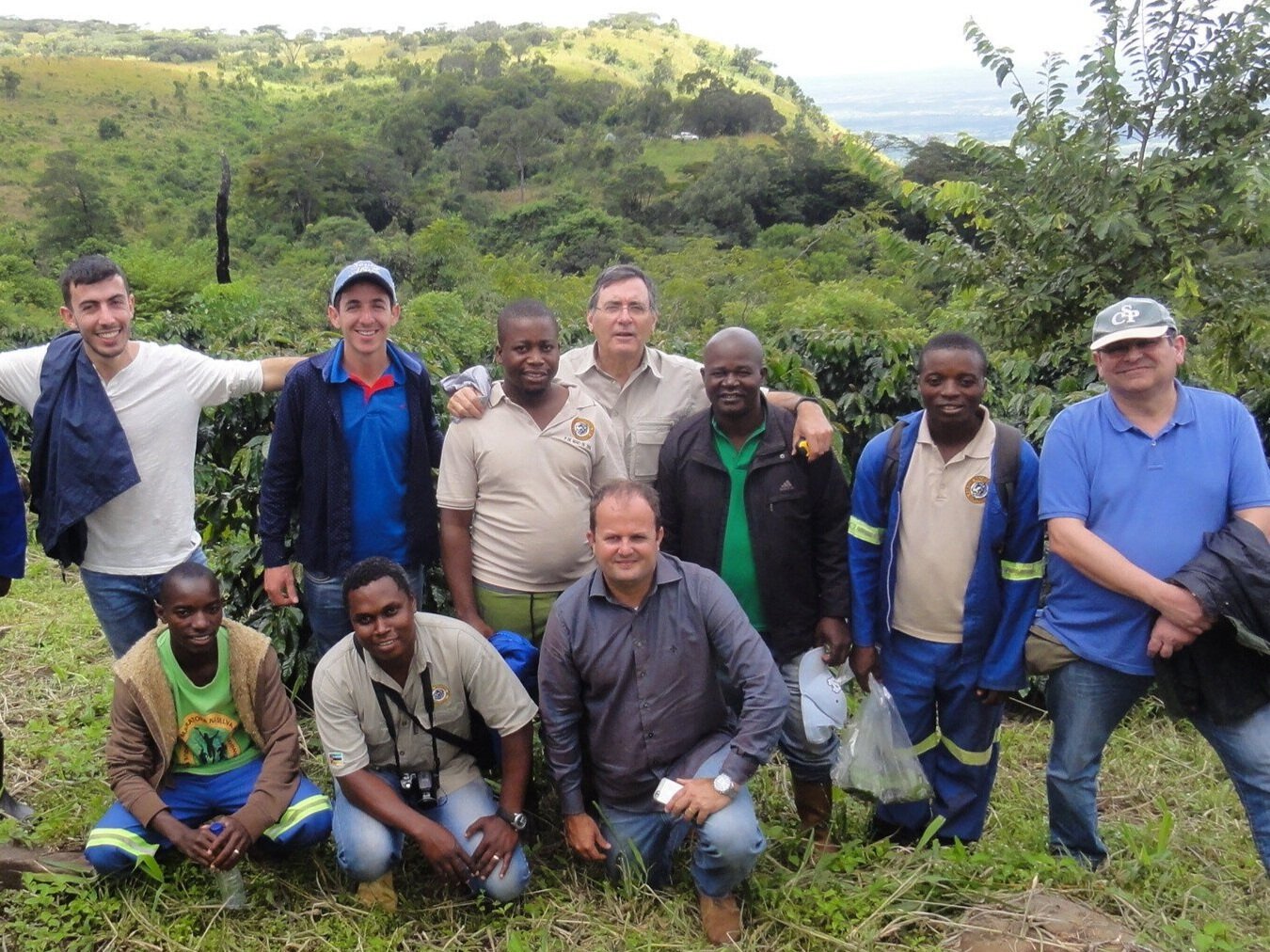
Good harvesting, post-harvest, and traceability practices
Some of these training sessions were held in Brazil (training for two Mozambican technicians), through visits to fields to observe harvesting, post-harvesting, and traceability practices. Specific recommendations were also made on how to produce quality coffee.

Good practices in coffee cultivation management - soil preparation, planting, fertilization, pruning, harvesting, and post-harvesting
Theoretical and practical recommendations were made regarding good management practices, from soil preparation, planting, fertilization, pruning, harvesting, and post-harvesting to other general recommendations. The objective was to provide tools for improving the management of field and processing activities, allowing for greater optimization of activities in line with the reality of the PNG.